

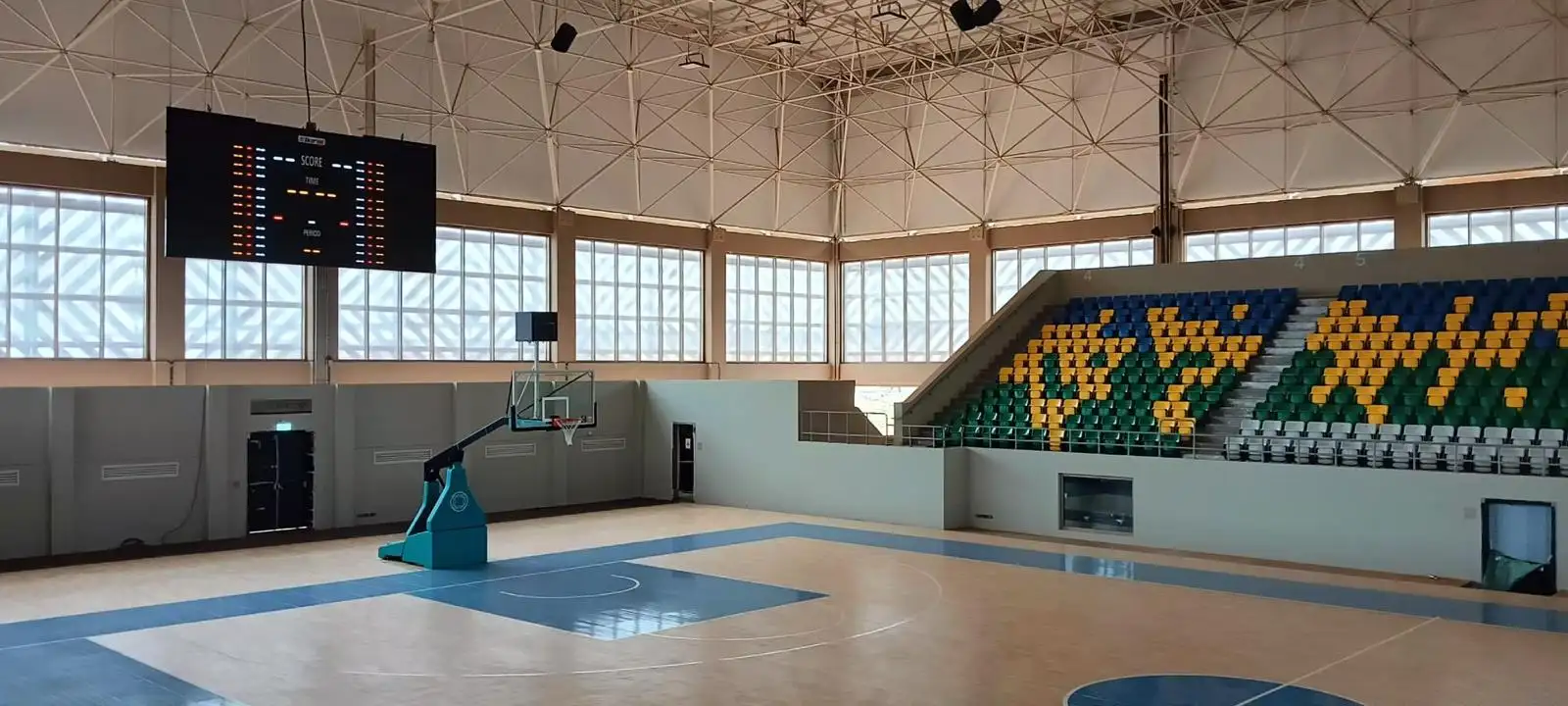
Global Production Expertise
How to Choose the Right Stadium Seating Manufacturer for International Projects
Choosing the right stadium seating manufacturer is one of the most critical decisions in any sports infrastructure project. Whether it is a new stadium or a renovation, the manufacturer directly impacts quality, timelines, compliance, and long-term performance.
In international projects across Europe and the Middle East, expectations are higher than ever. Project owners are no longer looking for simple suppliers. They are looking for experienced partners who can manage production, customization, and technical requirements simultaneously.
Our company has worked with various international clients, and one clear pattern has emerged: the success of a stadium project often depends on selecting the right manufacturing partner from the very beginning.
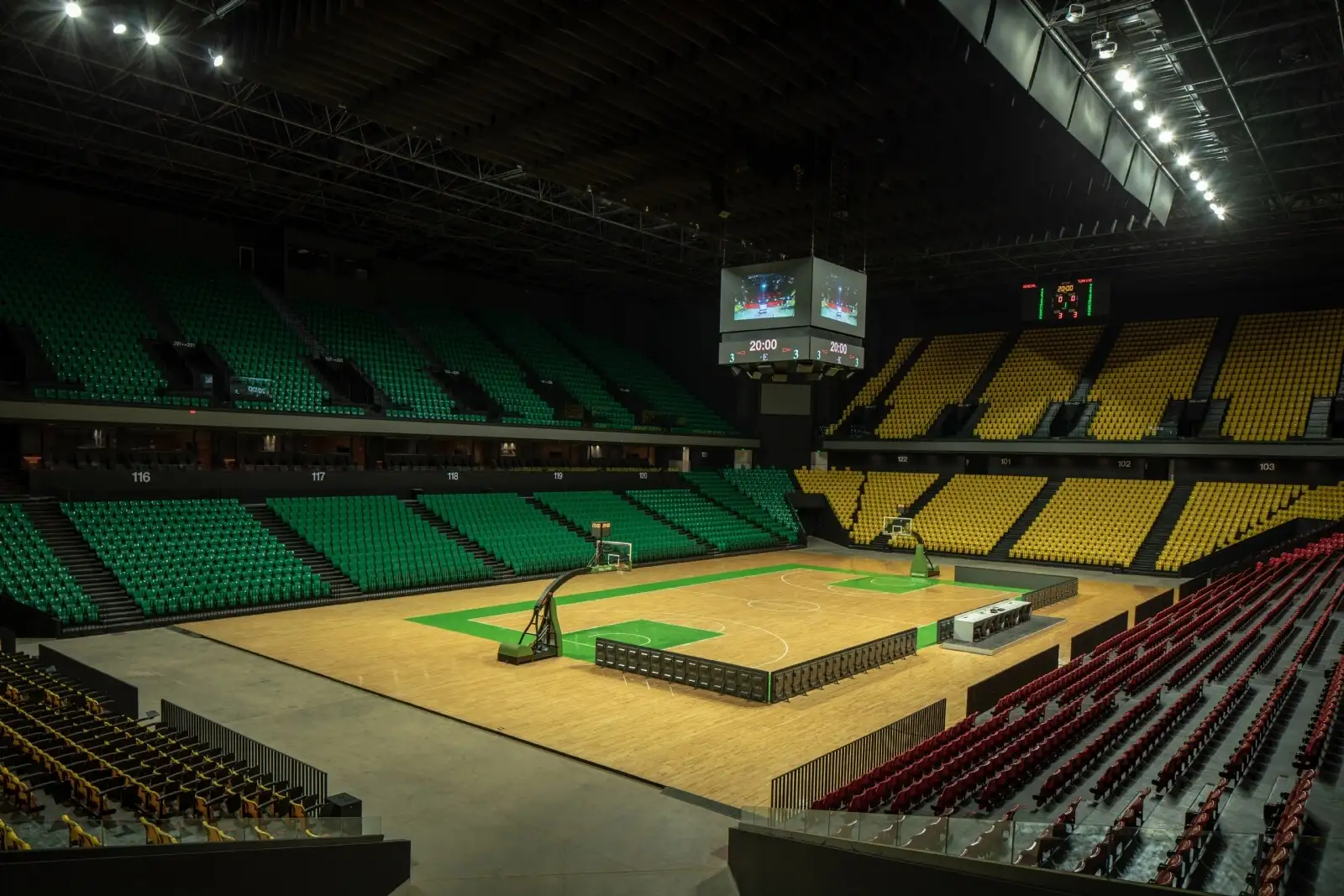
What Defines a Professional Stadium Seating Manufacturer
Not all manufacturers operate at the same level. Large-scale stadium projects require capabilities that go far beyond basic production.
A reliable manufacturer should offer:
High production capacity for large orders
Consistent quality control processes
Experience in international projects
Ability to customize products based on project needs
These factors ensure that the seating system meets both technical and operational expectations.
Production Capacity and Scalability
One of the first aspects to evaluate is production capacity.
Stadium projects often involve thousands or even tens of thousands of seats. A manufacturer must be able to handle such volumes without delays or quality issues.
Key considerations include:
Number of units produced per month
Availability of multiple production lines
Ability to scale production for urgent deadlines
Our company prioritizes scalable production systems to ensure timely delivery for large projects.
Quality Control and Testing
Quality is not just about materials, it is about process control.
Professional manufacturers implement strict quality control procedures at every stage of production.
This includes:
Raw material inspection
In-process quality checks
Final product testing
Seating systems should also be tested according to international standards to ensure durability and safety.
Certification and Compliance
International projects require compliance with various standards and regulations.
A reliable stadium seating manufacturer must provide:
Fire safety certifications
Durability and load testing reports
UV resistance test results
Without proper documentation, even high-quality products may not be accepted in large-scale tenders.
Customization Capabilities
Every stadium project is unique. Standard products are often not sufficient.
Manufacturers should be able to customize:
Seat colors and branding
Numbering systems
Mounting configurations
Material options
Our company frequently adapts production based on project specifications, ensuring seamless integration with architectural designs.
Technical Support and Project Planning
A manufacturer should not only produce seats but also support the planning process.
This includes:
Reviewing project drawings
Providing layout recommendations
Assisting with installation planning
Technical support helps prevent costly mistakes and ensures efficient use of space.
Logistics and International Delivery
For international projects, logistics play a major role.
A professional manufacturer must have experience in:
Export documentation
Packaging and shipping
Coordinating delivery schedules
Our company ensures that all shipments are prepared according to international standards, reducing risks during transportation.
Balancing Cost and Quality
While pricing is always important, choosing the cheapest option can lead to long-term problems.
A reliable manufacturer focuses on delivering value rather than just low prices.
This means:
Using durable materials
Reducing maintenance requirements
Ensuring long product lifespan
The goal is to achieve cost efficiency over the entire lifecycle of the seating system.
Common Mistakes When Choosing a Manufacturer
Many project owners make avoidable mistakes during the selection process.
Some of the most common include:
Focusing only on initial price
Ignoring certification requirements
Overlooking production capacity
Choosing suppliers without international experience
Avoiding these mistakes significantly improves project outcomes.
Future Trends in Stadium Seating Manufacturing
The stadium seating industry is evolving rapidly.
Manufacturers are now focusing on:
Sustainable production methods
Advanced material technologies
Modular and flexible seating systems
These developments are shaping the future of stadium design and construction.
Conclusion
Selecting the right stadium seating manufacturer is a strategic decision that affects every stage of a project. From production and quality control to logistics and technical support, the manufacturer plays a central role in ensuring success.
By working with experienced and capable partners, project owners can achieve reliable, compliant, and long-lasting seating solutions.
Our company continues to support international projects by combining production expertise, technical knowledge, and flexible manufacturing to deliver high-quality stadium seating systems.
Created By : Monseat